

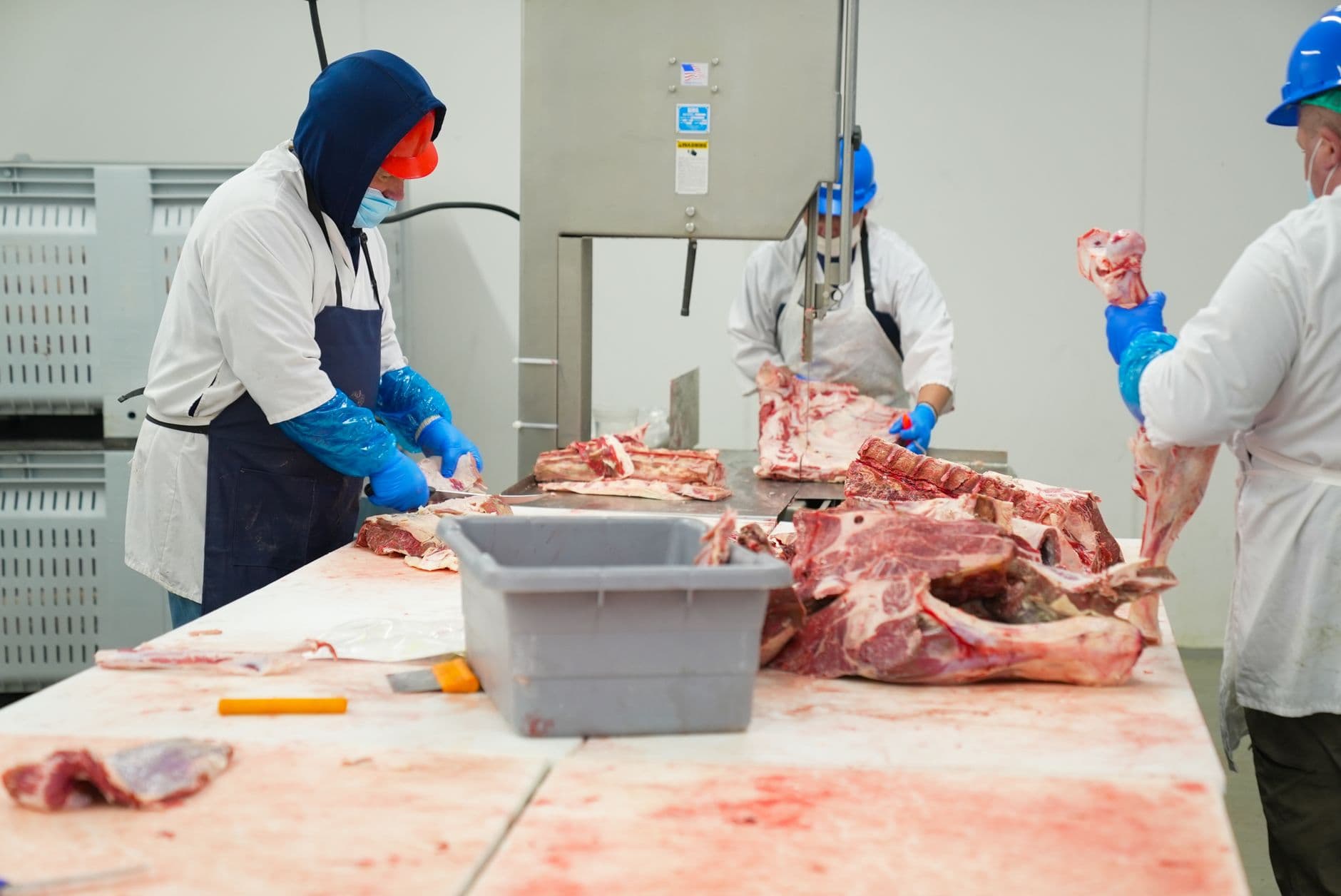
A production worker at a Cowra abattoir who was sacked after an unexplained absence and a heated exchange with a supervisor had his reinstatement order overturned, after a Full Bench found the original decision maker had misunderstood key evidence about alleged racist remarks.
What the Commission decided
Leigh Moiler worked at Cowra Meat Processors for years before he was dismissed without notice in March 2025, following a period away from work and a return-to-work incident involving a supervisor and other staff. A Commissioner at first instance found there was a valid reason for the dismissal, but that it was still harsh, unjust or unreasonable, and ordered Mr Moiler be reinstated.
Cowra Meat appealed, but only against the reinstatement order, not the finding that the dismissal was unfair. The company argued the Commissioner had wrongly labelled certain evidence as hearsay, including an account from a colleague, Mick Ryan, about racist language Mr Moiler had allegedly used towards Pacific Islander workers.
The Full Bench agreed on that specific point. It found the Commissioner had misread Mr Ryan's witness statement. Properly read, Mr Ryan said he personally witnessed Mr Moiler using racist slurs, not that he had merely heard about it from someone else. Because the Commissioner's findings on this issue rested partly on that misreading, the Full Bench held this amounted to a significant error of fact.
The Full Bench allowed the appeal, quashed the reinstatement order, and sent the case back to be redetermined on the question of remedy.
What was actually in dispute
Most of Cowra Meat's appeal grounds simply asked the Full Bench to re-weigh factual findings already made, including whether the company had a genuine basis to fear Mr Moiler returning to work. The Full Bench refused permission to appeal on those grounds, noting that appeals in unfair dismissal cases are deliberately hard to bring and are not meant to relitigate facts already decided.
The live argument was narrower: did the Commissioner correctly treat certain pieces of evidence as secondhand, and was he wrong to note that Mr Moiler had not been cross-examined about the racism allegation. On the hearsay question involving a different witness, evidence about a workplace argument, the Full Bench found no error, saying the Commissioner was entitled to give less weight to an account of what someone else was told happened.
On the Browne v Dunn point, Cowra Meat argued that rule, which concerns fairly putting allegations to a witness before relying on contrary evidence, has no place in Commission proceedings. The Full Bench disagreed, finding the Commission can still apply something like that principle to ensure fairness, even though it is not bound by court evidence rules.
The decisive error was narrower still: the Commissioner thought Mr Ryan had not personally seen the alleged racist conduct, when his statement said he had. The Full Bench said it could not be sure this mistake made no difference to whether reinstatement was the right remedy, given how seriously the Commissioner had described the racism allegations.
What this means
The decision does not disturb the underlying finding that Mr Moiler's dismissal was unfair. It also leaves intact the general approach that the Commission can receive and weigh hearsay evidence, provided it accounts for the fact that such evidence is generally less reliable than a direct account tested in cross-examination.
The practical outcome is that the same Commissioner must now redetermine what remedy Mr Moiler should receive, whether that is reinstatement, compensation, or something else, with a correct understanding of the evidence about the racism allegation. Readers wanting more on how the Commission approaches remedies in unfair dismissal matters can see /unfair-dismissal/compensation/ and the general overview at /unfair-dismissal/.