

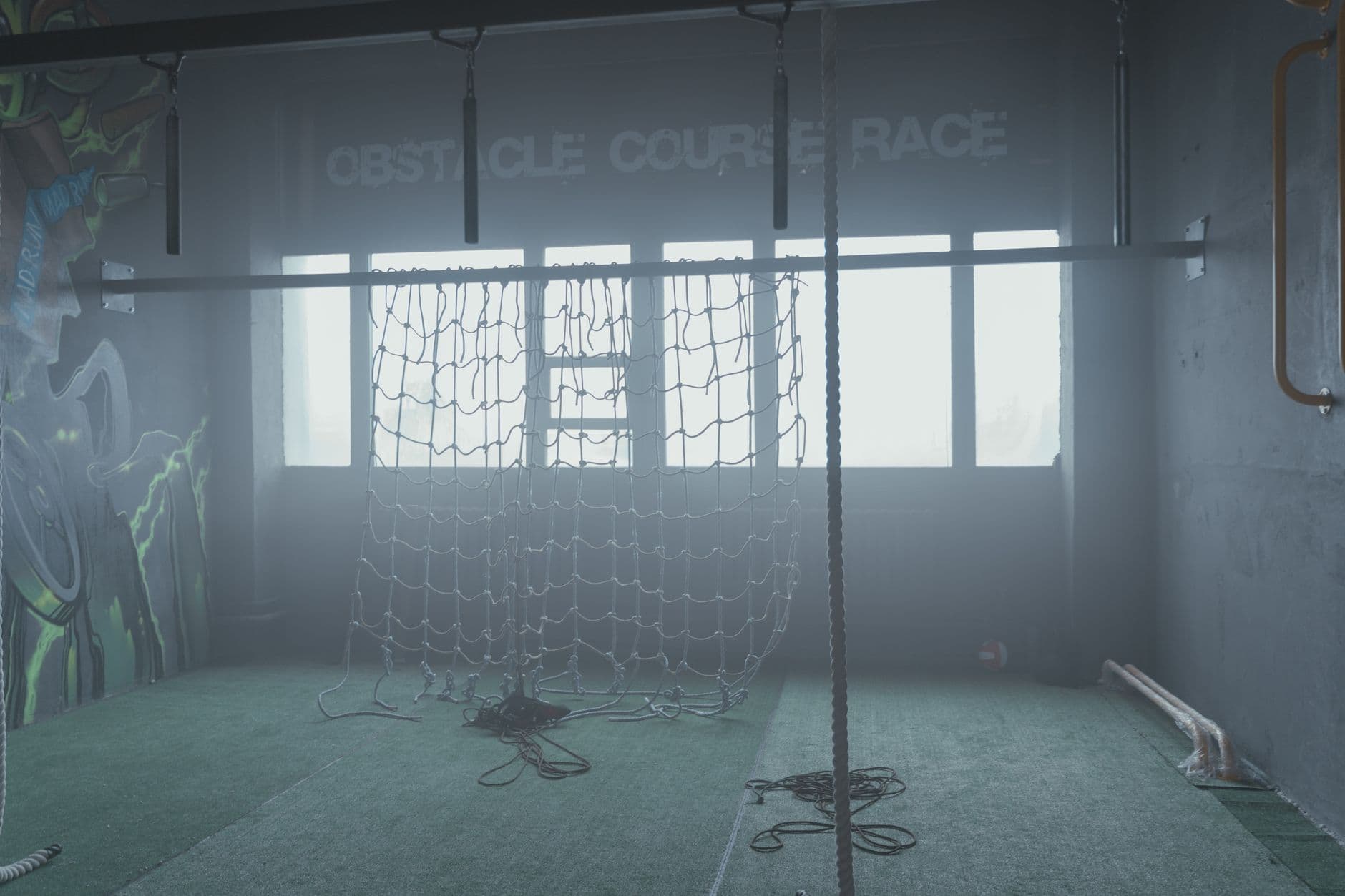
A part-time supervisor at a Penrith indoor obstacle course was dismissed for serious misconduct days after her grandmother died, following a string of tense emails and calls about proving her loss. The Fair Work Commission found the dismissal was unfair and ordered her employer to pay compensation.
What the Commission decided
Bianca Knott worked as a supervisor and administrator at Tru Ninja Pty Ltd for close to fourteen months before her grandmother passed away unexpectedly in September 2025. She told her manager she needed time off and intended to use bereavement and personal leave.
The company responded by repeatedly asking for documents proving the death, including a death certificate or statutory declaration, within days of the loss. When Ms Knott's mother and cousin contacted the business to explain that the paperwork could not be produced so soon, and to ask for patience, the company treated those communications as hostile. Ms Knott was ultimately dismissed for serious misconduct, with the company citing the family's conduct, her alleged refusal to provide evidence, and distress caused to management.
Deputy President Slevin found there was no valid reason for the dismissal. The requests for evidence of a death so soon after it occurred were themselves unreasonable, and the family's efforts to seek more time were reasonable and should have been accepted. The Commission did not accept that the communications from Ms Knott's mother were rude or abusive, finding them at most abrupt. Nothing in the exchanges amounted to misconduct capable of justifying dismissal.
The Commission also found Ms Knott had not been notified of a valid reason for dismissal, was not given a genuine opportunity to respond, and that the business's small size and lack of human resources support had contributed to a flawed process. Importantly, the decision found the company should have paused its correspondence altogether once it became clear how distressed Ms Knott and her family were, rather than continuing to press for information while she was grieving.
What was actually in dispute
The central argument was whether Ms Knott's family, in pushing back against the demands for proof of death, had behaved so badly that it justified sacking Ms Knott herself. Tru Ninja's director maintained the focus was on the tone of calls from Ms Knott's mother and a refusal to engage with management's messages.
The Commission rejected that framing. It preferred Ms Knott's evidence over the company's account of prior warnings, and found the mother's calls, while firm, were not rude or threatening. The dispute also touched on whether a warning letter handed to Ms Knott at a meeting on the day of her dismissal gave her any real chance to respond before she was sacked; the Commission found it did not.
Both parties agreed reinstatement was not appropriate, so the case turned to compensation. The Commission worked through the compensation formula used in unfair dismissal cases, estimating how long Ms Knott would likely have kept working for the business, noting she was studying at the time and had since finished her course. It reduced the assessed loss to account for her part-time hours, the small size of the business, and the likelihood her circumstances would have changed once her studies ended, before applying the statutory cap and arriving at a figure of
What this means
This case illustrates how the Commission calculates payouts once reinstatement is off the table, weighing factors like part-time hours and likely future tenure. For a broader look at how these payments are assessed, see this guide to unfair dismissal compensation.