

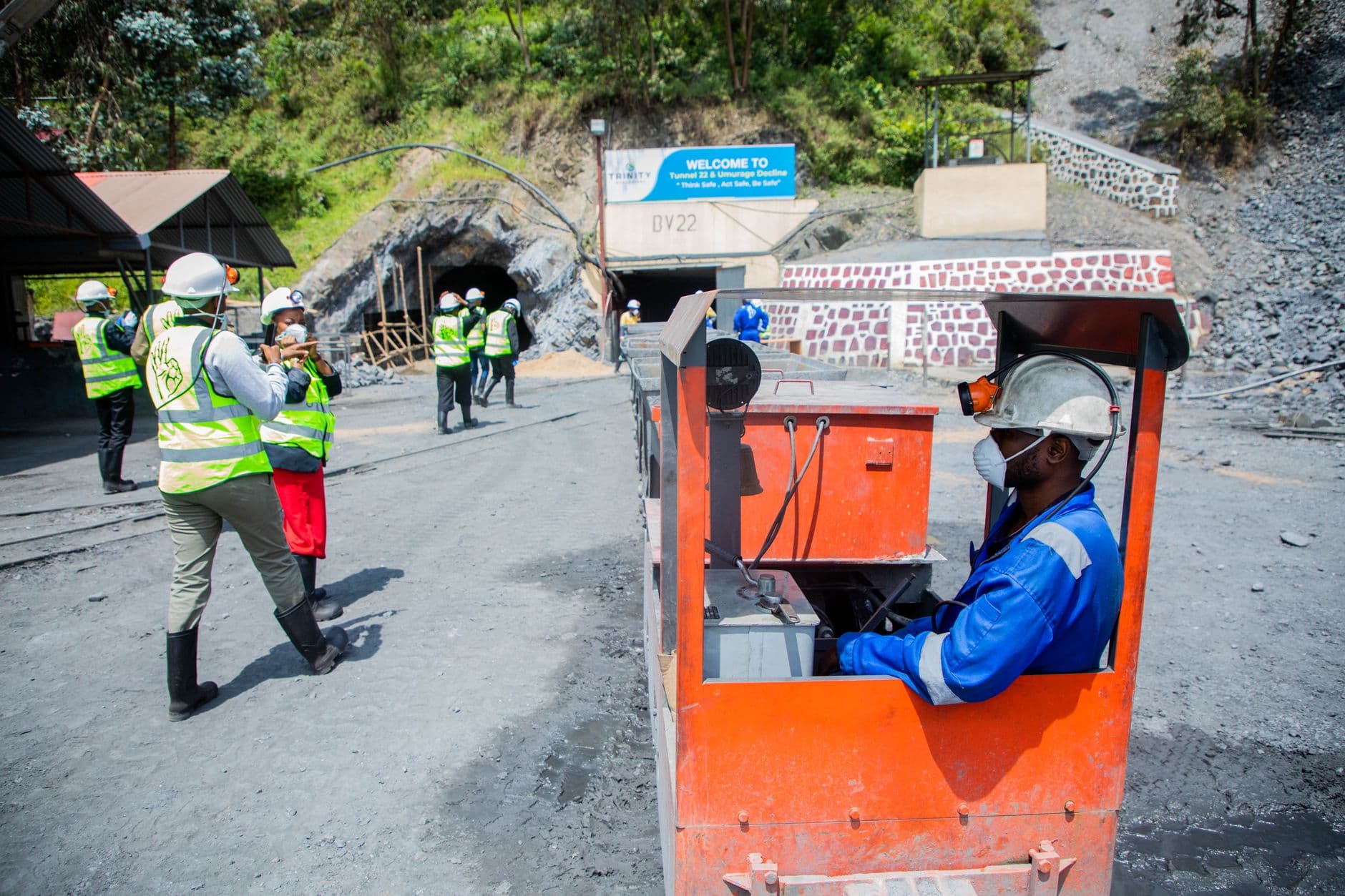
A casual trades assistant at a Queensland coal mine lost her unfair dismissal case after the Fair Work Commission found her job genuinely disappeared while she was in Greece dealing with family matters, even though she disputed the company's account of trying to reach her.
Mergime Beha worked for labour hire company WorkPac Pty Ltd, placed at BMA's Peak Downs Mine, from mid 2022 until her assignment ended in October 2025. While Ms Beha was overseas on approved leave, WorkPac says it was told by the mine operator that her services were no longer required, and that it tried several times to reach her by phone and text before she returned. Ms Beha disputed that those contact attempts happened at all, and separately questioned why the company did not simply email her once it was clear she was travelling.
What the Commission decided
Commissioner Spencer found that WorkPac no longer needed Ms Beha's job performed by anyone, because the mine operator had told the labour hire company it no longer required her position. It did not matter, the Commissioner found, whether the mine operator later filled a similar-sounding role itself or through another arrangement; what mattered was whether WorkPac itself needed to keep supplying someone to that job, and the evidence showed it did not.
Ms Beha pointed to WorkPac job ads for similar positions around the time of her dismissal, and to a current listing she said matched her old role, arguing this showed the job still existed. WorkPac accepted it had advertised similar roles but said none were available at the actual time she was let go.
On consultation, the Commission held that the enterprise agreement covering Ms Beha's employment only required consultation where there was a
What this means
This case turns on a key principle in genuine redundancy cases: what matters is whether the employer still needs the job done, not whether a similar-sounding role later appears elsewhere in the business.